 Claim Here!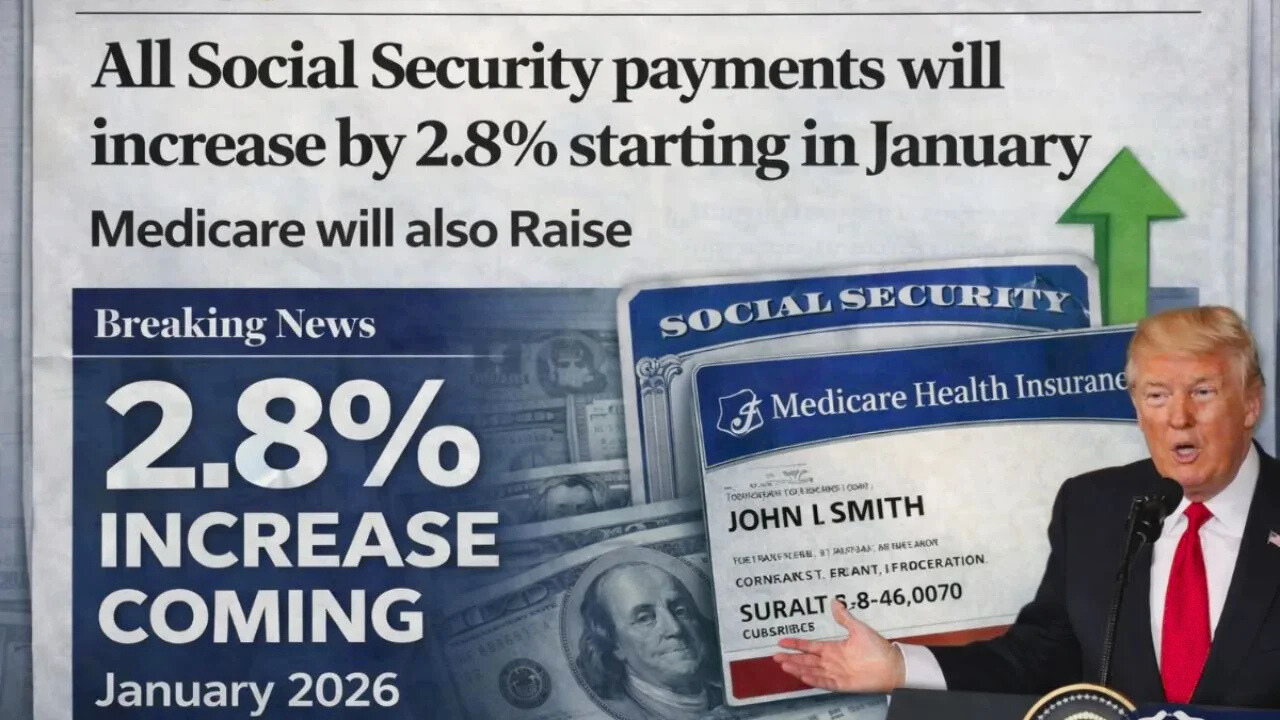
At the start of 2026, social media posts began circulating about a “January $2,000 IRS deposit.” For many Americans facing high living costs, the idea of unexpected financial relief sounded hopeful. But viral claims and official policy are not the same thing.
Here’s a clear breakdown of what’s real and what’s not.
Where the $2,000 Claim Came From

The rumor likely grew from:
- Memories of past stimulus payments
- Early tax refunds hitting bank accounts
- Confusion between tax credits and government relief programs
- Posts shared without reliable sources
When bits of real tax information are mixed with assumptions, misinformation spreads quickly.
What the IRS Has Actually Confirmed
The Internal Revenue Service (IRS) has not announced:
- A universal $2,000 payment
- A January 2026 stimulus
- A special deposit for all taxpayers

No official federal guidance supports the claim. If a nationwide payment existed, it would require legislation and a public IRS announcement.
Why Some People See Money in January
January marks the start of tax filing season. Some people who file early and choose direct deposit receive refunds quickly.
These refunds can sometimes be near $2,000, but they are:
- Based on individual tax situations
- Influenced by income and withholding
- A return of overpaid taxes

They are not a new government benefit.
No Eligibility List Exists
There is no eligibility chart because no program exists. Real federal payments always include:
| Requirement | Explanation |
|---|---|
| Law passed | Approved by Congress |
| Public rules | Clear eligibility guidelines |
| Official announcement | Posted on government sites |
Claims about secret approvals or hidden benefits are warning signs.
Scam Risks Linked to Viral Claims
False payment stories often lead to fraud attempts.
Red flags include:
- Messages asking you to “claim” funds
- Requests for Social Security or bank details
- Links promising instant eligibility checks
The IRS does not contact people this way.
Why These Stories Keep Returning
Financial stress makes relief stories spread fast. During pandemic years, stimulus payments arrived quickly, shaping expectations. But policy conditions in 2026 are different, and new payments would require formal debate and lawmaking.
What Taxpayers Should Do Instead
Focus on verified financial steps:
- File tax returns accurately
- Use official IRS tools to track refunds
- Keep bank and address information updated
- Ignore unverified social media posts
These actions help you receive legitimate payments owed to you.
FAQs
Is there a confirmed January 2026 $2,000 IRS payment?
No.
Could my tax refund be around $2,000?
Yes, depending on your tax situation.
Do I need to apply for this deposit?
No application exists.
How would a real payment be announced?
Through official government and IRS communication.
Are messages about claiming the payment safe?
No, they are likely scams.
Final Thoughts
The January 2026 $2,000 IRS deposit claim is misinformation. While financial relief is important, real federal payments are publicly authorized and clearly explained. Relying on official sources helps protect both your finances and your peace of mind.