 Claim Here!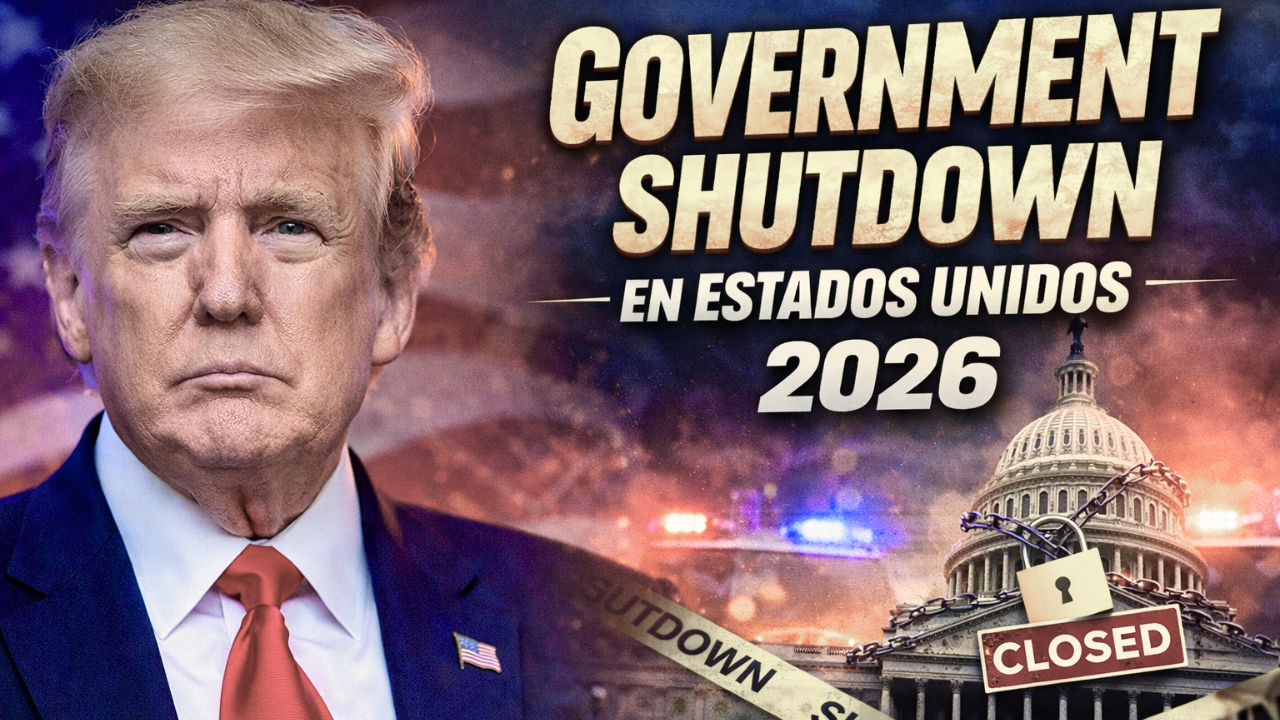
A partial U.S. federal government shutdown occurred in late January 2026, disrupting key operations and creating economic uncertainty. The Trump administration moved quickly to resolve the crisis through an emergency budget agreement, but not before noticeable impacts hit visa processing and immigrant communities that depend on federal services.
Introduction
The shutdown began January 31, 2026, when temporary funding approved in December 2025 expired. It marked the second serious budget standoff in under a year. Disputes between Republicans and Democrats centered on border security funding, defense spending, and social program allocations, with President Donald Trump pushing to include stricter immigration enforcement measures in the proposed $1.2 trillion spending package.

Trump intervened decisively, endorsing a bipartisan compromise that passed the House on February 2, reopening agencies within 48 hours. While the fast resolution prevented a prolonged crisis, it exposed vulnerabilities in immigration systems: USCIS paused appointments, consular services slowed, and deportation operations were reduced. Immigrants already in processing backlogs — especially in Florida and Texas — faced serious delays.
Causes of the 2026 Shutdown
The conflict stemmed from disagreements over the twelve annual appropriations bills required before January 30. House Republicans demanded $10 billion in additional funding for ICE and CBP, linking it to border wall construction and expanded deportations. Democrats resisted without protections for DACA and TPS, echoing the 2018–2019 shutdown conflict.
Economic pressures — inflation and national debt levels — intensified urgency. The final deal excluded some healthcare subsidies but included continued ICE funding through September, aligning with Trump’s border security agenda.
Solutions Implemented by Trump

Trump handled the crisis with executive pragmatism:
- Signed a continuing resolution funding the government through September
- Approved retroactive pay for furloughed workers
- Proposed reforms to simplify future budget votes
- Issued directives allowing flexible reallocation of federal resources during shutdowns
The bipartisan agreement was negotiated rapidly, demonstrating Trump’s shift from veto threats to quick endorsement to restore operations.
Immediate Impacts on Immigration Agencies
| Service | Status During Shutdown | Reactivation Time | Monthly Volume Affected |
|---|---|---|---|
| Non-Immigrant Visas | Suspended or delayed | 1–2 weeks | 250,000 |
| Adjustment of Status | Essential cases only | Immediate | 80,000 |
| ICE Deportations | Reduced ~70% | 48 hours | 15,000 |
| E-Verify | Intermittent outages | 24 hours | 20 million checks |
| Naturalizations | Appointments canceled | 2 weeks | 100,000 |
USCIS continued essential operations but slowed case processing. Some embassies reduced non-emergency visa services. ICE operated with limited capacity.
Effects on Immigrants and Communities
Legal immigrants faced the most immediate problems:
- H-1B workers experienced extension delays
- Family-based green card processing slowed
- Agricultural H-2A visa holders saw consular delays
Undocumented communities feared increased enforcement once funding resumed. TPS holders also faced uncertainty with renewals.
Economic ripple effects included slower remittance flows and business disruptions in immigrant-dependent sectors.
Long-Term Visa and Enforcement Consequences
After reopening:
- USCIS backlogs grew significantly
- Visa wait times projected to extend 6–12 months
- ICE enforcement funding remained strong
- Stricter adjudication standards expected for employment visas
Embassies resumed operations but with scheduling backlogs.
Community and Political Response
Immigrant advocacy groups organized demonstrations calling for stable immigration funding. Political debates intensified over linking budget negotiations with immigration enforcement.
Future Outlook
The next funding deadline in September 2026 could bring renewed risk of shutdown if immigration remains central in budget talks. Lawmakers face pressure to reform the budget process and ensure immigration services remain stable during future fiscal disputes.
Conclusion
The 2026 government shutdown, quickly resolved through Trump-backed budget negotiations, highlighted how federal funding disputes can disrupt immigration systems. Visa delays, processing backlogs, and enforcement uncertainty revealed the need for more resilient policies. While operations resumed, the episode underscored the fragile link between government funding and immigration stability in the United States.