 Claim Here!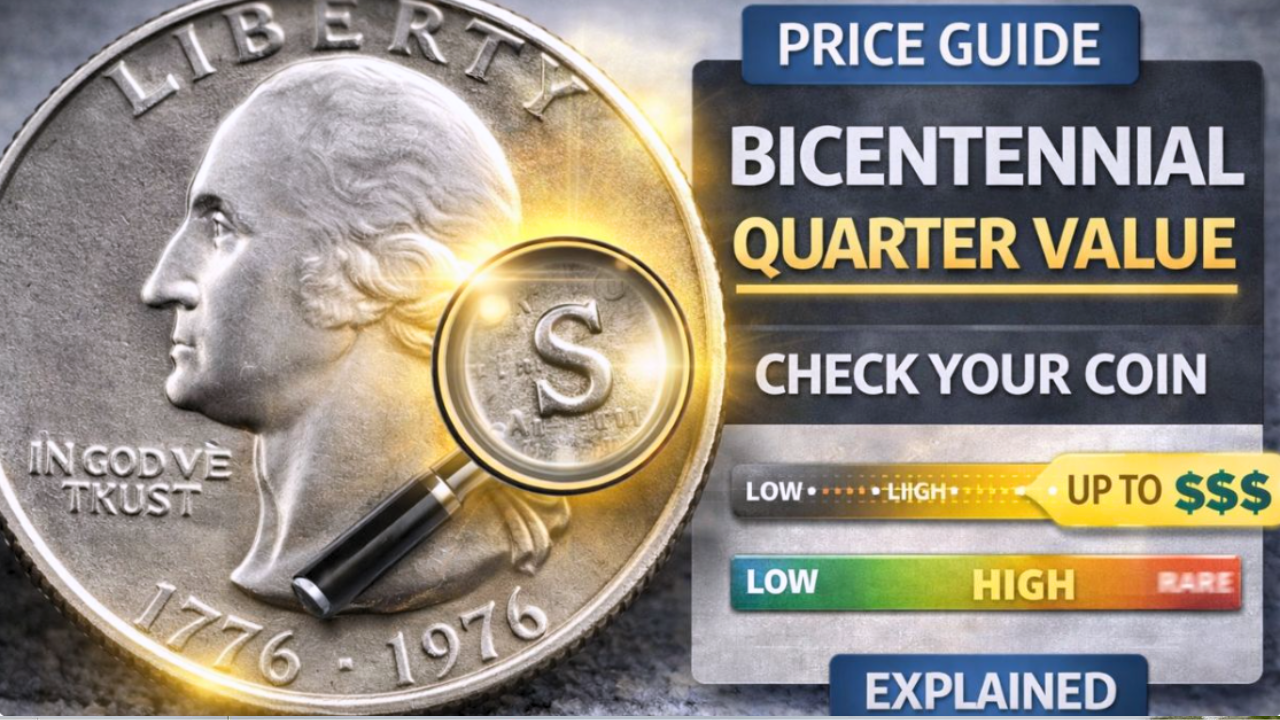
Bicentennial quarters are some of the most recognizable modern U.S. coins. Issued to celebrate 200 years of American independence, they feature a special design that sets them apart from regular quarters. Many people still find them in jars, collections, or spare change and wonder if they are valuable. Most are common, but certain types can be worth more depending on composition, condition, and rarity.
These coins were produced by the United States Mint as part of the nationwide Bicentennial celebration.
Why Bicentennial Quarters Were Made
The coins honor the nation’s 200th anniversary. Although minted in 1975 and 1976, all show the dual date “1776–1976.” No quarters dated 1975 were released for circulation. Production numbers were very large so the public could easily obtain them, which is why most are not rare today.
The Unique Design
The reverse features a colonial drummer with a torch and thirteen stars representing the original colonies. The front keeps George Washington’s portrait with the special anniversary date. This design change was temporary, which adds to its collectible appeal.
Value of Regular Circulation Coins
Most Bicentennial quarters were made from copper-nickel and entered everyday circulation.
| Condition | Typical Value |
|---|---|
| Worn circulated | Face value |
| Better circulated | Slight premium |
| Uncirculated | Modest collector premium |

Because so many were produced, standard examples are mainly collected for interest rather than high profit.
Silver Bicentennial Quarters
The Mint also made special 40% silver versions for collectors. These were sold in sets and not intended for circulation. Silver pieces have a different edge appearance and contain precious metal, which gives them a higher base value tied to silver prices. High-quality silver examples can sell for several dollars or more.
Proof Versions
Proof coins were struck using polished dies to create mirror-like surfaces and sharp details. They were sold directly to collectors and often remain in original packaging. Proof versions, especially silver ones, usually carry stronger collector demand.
Error Coins and Varieties
A small number show minting errors such as doubled images, off-center strikes, or coins struck on the wrong metal. Minor errors add small premiums, while dramatic ones can be worth much more. Professional verification is often needed.
Why Condition Matters
Condition greatly affects value. Coins with little wear, strong luster, and clear detail are more desirable. Professional grading services assign condition scores, and high grades can significantly raise market prices.
How to Check Your Coin
To see if your coin may be special:
- Look at the edge for a silver composition (no copper stripe)
- Check surfaces for mirror-like proof finish
- Inspect for doubling or misaligned designs
- Compare with trusted reference images
Magnification helps reveal fine details.
FAQs
Are Bicentennial quarters rare?
Most are common due to high production numbers.
How can I tell if mine is silver?
Silver versions lack the copper-colored edge stripe.
Are proof coins worth more?
Yes, especially if well preserved.
Do mint errors increase value?
Yes, particularly clear and unusual errors.
Should I get my coin graded?
Grading may help if the coin appears high quality or unusual.
Conclusion
Bicentennial quarters connect collectors to an important national milestone. While most are worth face value, silver versions, proofs, and error coins can bring higher prices. Learning how to identify types and condition helps determine whether your coin is simply a keepsake or something more valuable.