 Claim Here!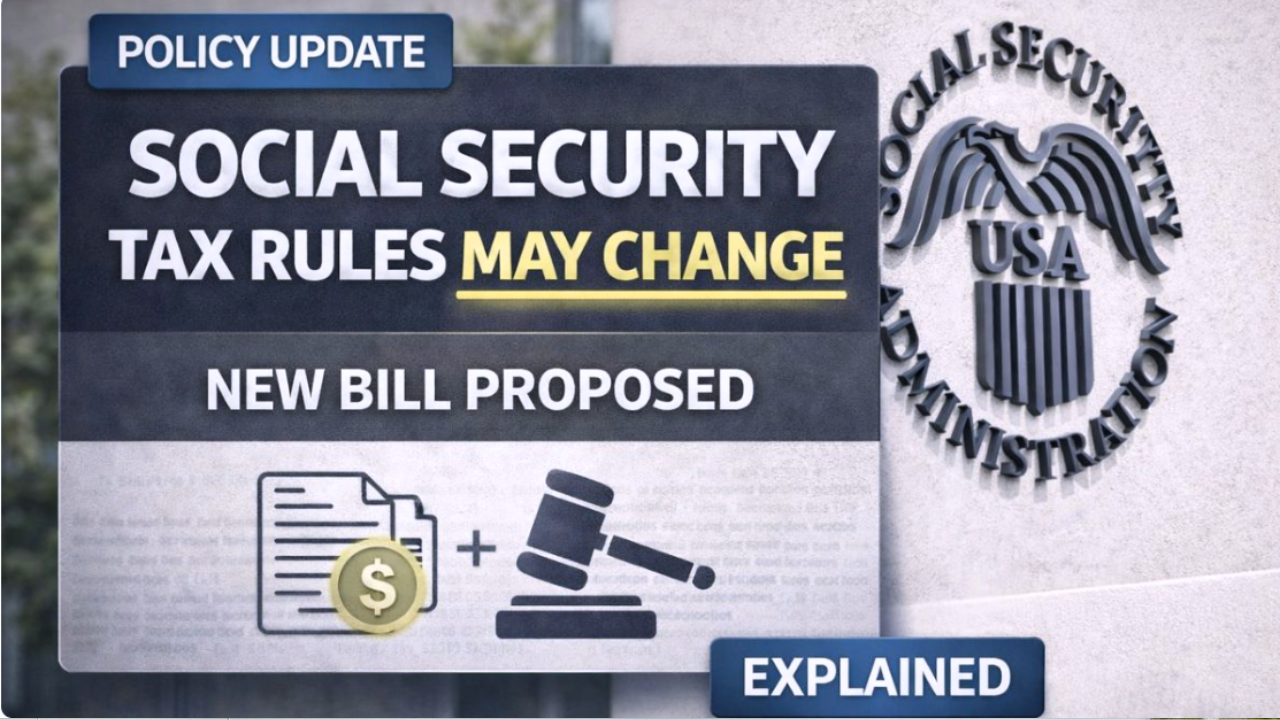
A bipartisan proposal in Congress could change how certain Social Security benefits are taxed, particularly for some retired public sector workers. The bill, known as the No Tax on Restored Benefits Act, focuses on retirees who recently received retroactive Social Security payments after older benefit reduction rules were removed. Supporters say the goal is to prevent unexpected tax burdens caused by large one-time payments.
Because Social Security is a key source of retirement income, the proposal has drawn national attention.
Why Some Public Workers Had Reduced Benefits

For many years, certain public employees such as teachers, police officers, and firefighters saw reduced Social Security benefits. These workers often earned pensions from jobs where Social Security payroll taxes were not paid. Special rules reduced or offset their Social Security payments to prevent what lawmakers once considered “double benefits.”
These rules were controversial. Critics argued they unfairly penalized public servants who worked in both covered and non-covered jobs during their careers. Reforms later removed some of these reduction provisions.
What Happened After Benefits Were Restored
When benefit limits were lifted, many retirees became eligible for higher monthly payments. Some also received large retroactive lump-sum payments covering past underpayments.

While the extra money helped, it created a tax issue. Because the payments arrived all at once, they increased taxable income for that year. Some retirees crossed tax thresholds or faced underpayment penalties because taxes were not withheld from the lump sums.
Purpose of the Proposed Bill
The bill would allow certain retirees to exclude retroactive restored benefits from their gross income for federal tax purposes. In simple terms, the catch-up payments would not count when calculating income tax owed.
Supporters argue this corrects an unintended effect. If those benefits had been paid monthly over time, many recipients would have owed little or no extra tax.
Why Some Retirees Faced Surprise Tax Bills

Tax withholding played a key role. Many beneficiaries did not have taxes withheld from Social Security payments. When the retroactive payments were issued, recipients received the full amount without pre-paid tax.
Since payments arrived months before tax season, some retirees did not make estimated tax payments. At filing time, they faced unexpected tax bills and sometimes penalties.
Different Views on the Proposal
Opinions differ on whether the bill is the right solution.
Supporters say it promotes fairness and prevents retirees from being penalized for payment timing. Critics argue Social Security benefits should be taxed consistently and warn that exclusions could reduce federal revenue. Others note that existing deductions already help many lower- and middle-income retirees, meaning the proposal may mostly benefit higher-income public retirees.
Broader Social Security Funding Concerns
The debate connects to wider concerns about Social Security’s long-term finances. The system is projected to face funding pressure in the next decade. Taxes on benefits help support the program, so changes to tax rules are closely examined.
Balancing targeted relief with financial sustainability makes tax-related proposals politically sensitive.
What Happens Next
The bill has bipartisan sponsorship, which increases the chance of serious review. However, it must still move through committees and votes in both chambers of Congress before becoming law. If passed, tax authorities would likely issue guidance on who qualifies and how to claim the exclusion.
Why Retirees Should Pay Attention
Retirees who received retroactive Social Security payments are most affected. Understanding how lump-sum income affects taxes is important for planning. Reviewing withholding options, estimated payments, and deductions can help prevent future surprises. Consulting a tax professional may be useful for those who received large catch-up payments.
FAQs
Who does this bill mainly affect?
Retired public sector workers who received retroactive restored Social Security benefits.
What is the main goal of the bill?
To prevent large one-time payments from creating unexpected tax burdens.
Is the bill already law?
No, it is still a proposal and must pass Congress.
Why were taxes higher for some retirees?
Lump-sum payments increased annual income, pushing some above tax thresholds.
Could this affect Social Security funding?
Some experts say tax exclusions could reduce revenue that helps support the program.
Conclusion
The proposed tax change aims to address an unintended consequence of restoring benefits to public retirees. While the idea focuses on fairness, it also raises questions about consistency and long-term program funding. Until any law is passed, retirees should stay informed and plan carefully for the tax impact of large benefit payments.