 Claim Here!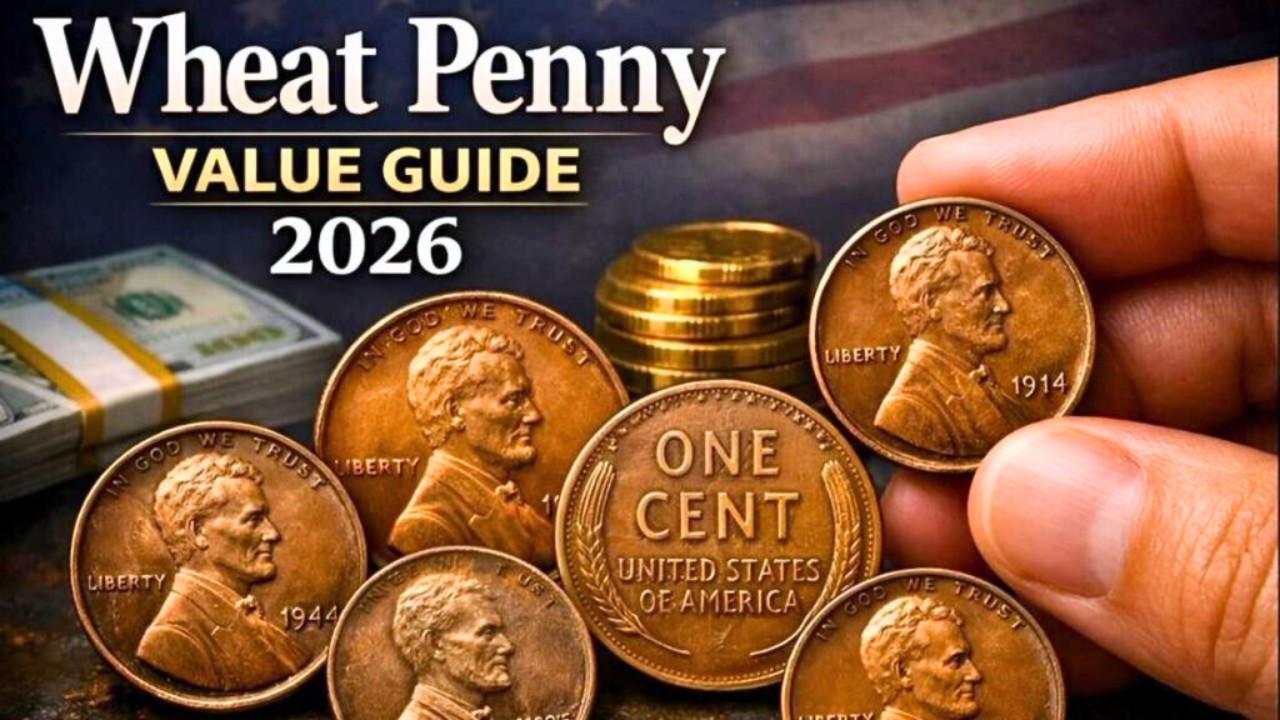
The United States Mint produced the Wheat Penny, officially known as the Lincoln Wheat Cent, from 1909 to 1958. It features Abraham Lincoln on the front and two wheat stalks on the back. Once everyday pocket change, these coins are now widely collected. While many are still worth only a small amount, certain dates and varieties can carry significant value.
How the Wheat Penny Began
The coin was introduced in 1909 to mark Lincoln’s 100th birthday. It became the first regular U.S. coin to feature a real historical figure. The design by Victor David Brenner originally included his initials, which created an early collectible variety. In 1959, the reverse design changed to the Lincoln Memorial, ending the Wheat Penny series.
Why Most Wheat Pennies Are Still Common
Millions were produced over nearly fifty years. Heavy circulation caused wear, and many remain plentiful today. As a result, most examples trade for modest amounts unless they are in excellent condition or come from a rare issue.
Wheat Pennies That Command Higher Prices
Some dates and varieties are highly sought after:
| Coin | Why It’s Special |
|---|---|
| 1909-S VDB | Low mintage and visible designer initials |
| 1914-D | Scarcer issue with fewer surviving examples |
| 1922 No D | Missing mint mark due to die wear |
| 1931-S | Low production during the Great Depression |
| 1955 Doubled Die | Strong doubling visible on the date and lettering |
These coins often sell for much more when authenticated and graded.
What Determines a Wheat Penny’s Value
Several factors influence price:
Rarity
Lower mintage or unusual production issues increase demand.
Condition
Sharp details, original color, and minimal wear are highly valued.
Authenticity

Counterfeits exist, especially for rare dates. Professional verification adds trust.
Market demand
Collector interest can push prices up or down over time.
Why Condition and Care Matter
Grading scales measure how well a coin is preserved. Even a small improvement in grade can mean a large price difference. Proper storage in coin holders or albums helps protect surfaces. Cleaning coins is usually harmful because it can reduce collector value.
Cultural Importance of Wheat Pennies
These coins circulated during major historical periods, including both World Wars and the Great Depression. They connect collectors to everyday American life of the past. Their historical connection adds meaning beyond monetary value.
Then vs. Now
What was once ordinary pocket change has become a widely studied collectible. Today, Wheat Pennies are graded, certified, and traded worldwide. While not every coin is rare, the possibility of finding a valuable example keeps interest alive.
FAQs
Are all Wheat Pennies valuable?
No. Most are common, but certain dates and high-grade examples are worth more.
What is the most famous Wheat Penny?
The 1909-S VDB and 1955 Doubled Die are among the most well known.
Should I clean an old penny?
No. Cleaning usually lowers value.
How can I tell if my penny is rare?
Check the date, mint mark, condition, and look for known varieties.
Why do collectors still like Wheat Pennies?
They combine history, classic design, and the chance of finding rare examples.
Conclusion
Wheat Pennies remain popular because they are affordable, historic, and sometimes surprisingly valuable. Learning about key dates, condition, and proper care helps collectors make informed decisions. Even a small coin can carry a big story and lasting appeal in the world of collecting.